 Fraunhofer Institute for Photonic Microsystems
Optimized clean rooms
Project duration: 2025 - 2026
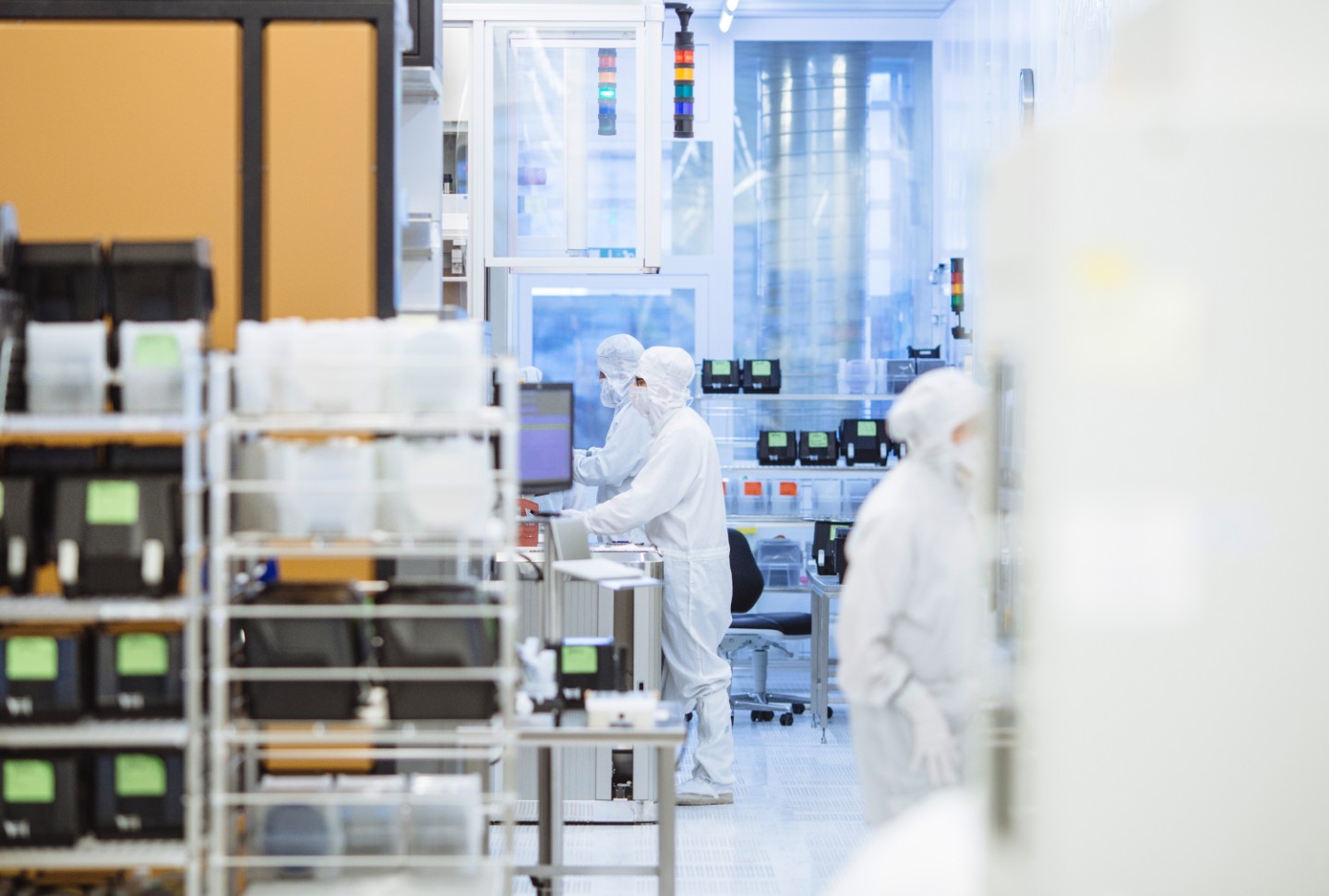
Cleanrooms are characterized by strict requirements for air cleanliness, temperature, humidity, and pressure, which result in significant consumption of energy, media, and technical resources.
To operate cleanrooms more efficiently, sustainably, and economically, a systematic recording and analysis of existing processes and resources is essential. Against this background, Fraunhofer IPMS initiated the OptiRein project.
The goal of the project is the development, piloting, and operationalization of a standardized procedure for energy- and emissions-oriented process optimization of cleanrooms. In doing so, the project makes a significant contribution to the Fraunhofer Climate Strategy.
The project focuses on the following areas
- Analysis & Benchmarking:
Systematic investigation of existing operational and optimization practices, including technical gases. Energy consumption, global warming potential (GWP), operational models, and relevant KPIs are considered. - Development of a Guideline:
Creation of a process-oriented guideline for optimization concepts. This includes roles, responsibilities, checklists, monitoring points, as well as interfaces with building services (TGA) and production processes. - Piloting & Validation:
Implementation and analysis of three pilot projects, including optimization concepts, technical and economic evaluation, and feasibility assessment. - Operationalization:
Implementation of the results into practical tools and resources:
- Tender documents
- Controlling tools for progress and efficiency measurement
- Decision-making logic for scaling and rollout
Benefit
The project provides a solid foundation for the rapid, systematic, and efficient implementation of energy and material optimization in cleanrooms.
Key highlights include:
- Standardized approach: From knowledge transfer to actionable guidance (planning – implementation – monitoring)
- Process and operational optimization instead of isolated solutions: Focus on interfaces between energy supply, building services (TGA), production, and cleanroom operations
- Cost efficiency & investment security: Through clear specifications, benchmarks, and validation
- Sustainable impact: The project makes a significant contribution to the Fraunhofer Climate Strategy
- Multiplication effect: The results can be applied to other cleanrooms